Frequently Asked Questions
The most-asked questions about caves & gorges.
What exactly are caves and gorges in geological terms?
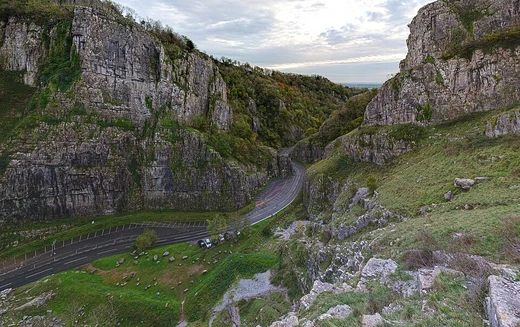
Caves are natural underground voids created over long periods by processes such as acidic water dissolving limestone or lava cooling into tubes. Gorges are steep-walled, narrow valleys carved when a river downcuts through rock faster than the surrounding terrain erodes.
Who are the most iconic figures associated with cave and gorge exploration?
John Wesley Powell, who led the first documented boat descent through the Grand Canyon in 1869, is a towering name in gorge history. In caving, Jean Malpertuis of France and modern Vietnamese-British teams that mapped Hang Sơn Đoòng stand out as landmark explorers.
Where should a complete beginner start experiencing caves or gorges?
Guided show caves like Luray Caverns in Virginia or Postojna Cave in Slovenia let newcomers walk through real passages without any technical gear. For gorges, scenic rim trails through the Verdon Gorge in France or the Fjaðrárgljúfur in Iceland offer a safe first taste of the landscape.
What are the current record-holders for longest and deepest caves, and for the most famous gorge?
Hang Sơn Đoòng in Vietnam spans roughly 26 km and is the longest known cave, while Krubera-Voronja in Georgia plunges about 2,212 m to make it the deepest. The Grand Canyon in Arizona, at 446 km long and up to 1.8 km deep, remains the most recognized gorge on Earth.
How do caves and gorges actually form over time?
Most caves develop when slightly acidic rainwater percolates through soluble rock like limestone, gradually widening fractures into passages and chambers over tens of thousands of years or more. Gorges form when a river erodes vertically through layered rock while the adjacent land erodes more slowly, leaving a deep, steep-sided channel.
What are some landmark discoveries that the caving and gorge communities still talk about?
British caver Howard Limbert entered Hang Sơn Đoòng in 1994 through a small entrance that local villagers had only glimpsed, revealing a cathedral-sized chamber. In 1938, French cavers descended Le Gouffre Berger in the Vercors massif and found a vertical shaft exceeding 1,000 m, which redefined the scale of known caves.
How does the experience of exploring a cave differ from exploring a gorge?
Cave exploration happens in enclosed, often dark underground spaces and can require ropes, helmets, and technical climbing for tight passages. Gorge exploration is typically outdoors, involving hiking along a riverbed, canyoning down waterfalls, or navigating by boat between steep rock walls.
Are there famous cave or gorge incidents that are well known in the community?
The 2007 rescue of twelve Thai soccer players and their coach trapped in the flooded Tham Luang Cave became one of the most widely covered cave events in modern history. In the Grand Canyon, a series of flash-flood deaths in the 1930s led park rangers to issue the first formal warnings about the canyon's sudden, lethal water surges.
What unique ecosystems or biological features do caves and gorges support?
Caves harbor troglobitic organisms that have adapted to permanent darkness, such as the blind olm found in Croatian underground rivers or eyeless fish in Mexican cenotes. Gorges create layered microclimates from rim to riverbed, supporting plant and animal communities that exist nowhere else on the landscape.
What resources or organizations help someone go deeper into the world of caves and gorges?
The International Speleological Union (UIS) publishes peer-reviewed research and maintains global cave records, while the National Speleological Society offers beginner courses and trip reports in the United States. For gorges, national park service trail guides and national canyoning federation materials provide practical starting points for safe exploration.